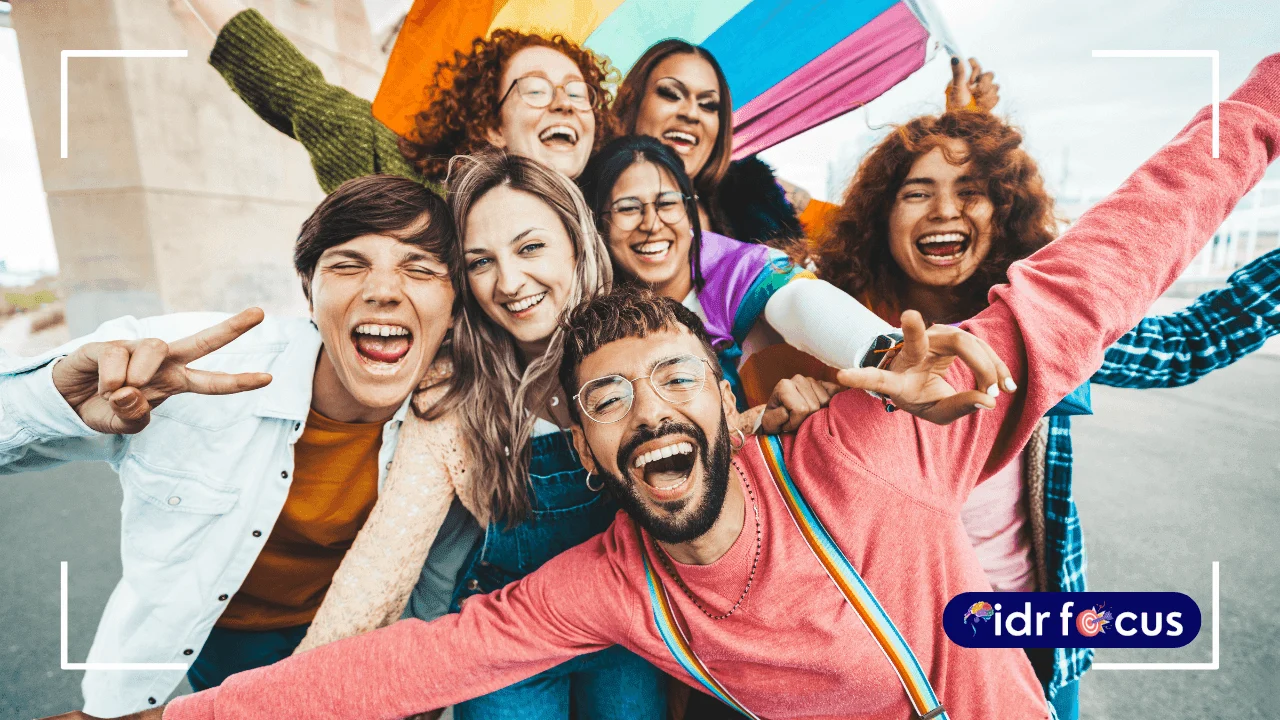
Iceland is ranked the safest country in the world for LGBTQ+ travellers in the 2026 Spartacus Gay Travel Index, followed by Malta and Spain in joint second place. The index compares 217 countries and territories across 18 categories, including marriage equality, transgender recognition, anti-discrimination law, criminalisation and social hostility.
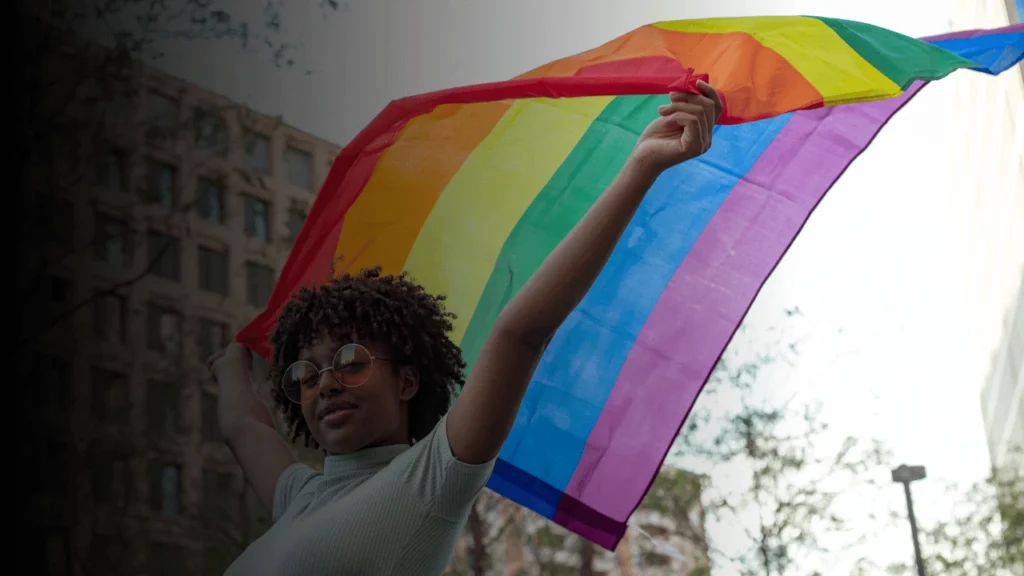
The picture has changed in an important way since this guide was first published. After nearly a decade of steady decriminalisation worldwide, the number of countries criminalising consensual same-sex relations has begun to rise again. That makes checking current conditions before you book more important than it has been in years.
The 10 safest countries for LGBTQ+ travellers in 2026
Ranked positions and scores from the 2026 Spartacus Gay Travel Index:
- Iceland — 14 points, the highest score in the index
- Malta — 13 points (joint second)
- Spain — 13 points (joint second)
- Belgium — 12 points (joint fourth)
- Canada — 12 points (joint fourth)
- Germany — 12 points (joint fourth)
- Portugal — 12 points (joint fourth)
- New Zealand
- Norway
- Switzerland
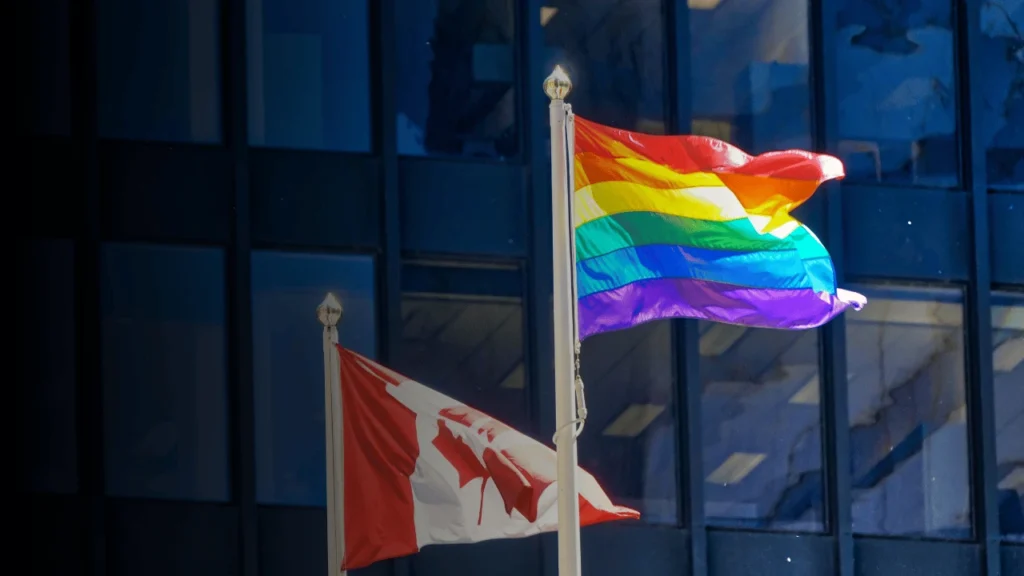
Canada held the top position in earlier editions of the index and remains among the safest destinations in the world, now sharing fourth place. Other countries that consistently rank in the index’s upper tier include the Netherlands, Denmark, Sweden, Finland, Austria, Luxembourg, Ireland, France, Australia, the United Kingdom, Uruguay and Taiwan — the last of these being the first place in Asia to legalise same-sex marriage.
What changed in 2026
Improvements
- Thailand legalised same-sex marriage with effect from 22 January 2025, becoming the first country in Southeast Asia and the third in Asia to do so. It is now the most significant LGBTQ+-friendly destination in the region.
- Poland made the largest jump in the 2026 index, rising from 118th to 59th following political change and improved recognition of trans rights.
- Nepal climbed 21 places to 32nd, largely on improved transgender recognition.
Deteriorations
- Trinidad and Tobago reversed its own decriminalisation when an appeal court overturned the 2018 ruling — the first such reversal of its kind.
- Burkina Faso criminalised same-sex relations for the first time in its history.
- Niger adopted an anti-LGBTQ+ law in June 2026.
- Iraq, South Sudan and Turkmenistan recorded the steepest declines in the 2026 index, reflecting increased repression and violence.
Taken together, these reversals pushed the global count of countries criminalising consensual same-sex relations back upwards for the first time in close to ten years. ILGA World records 63 countries criminalising such relations with a further two doing so in practice; other trackers put the figure at 66. Either way, the direction of travel is no longer uniformly positive.
Countries where LGBTQ+ travellers face serious risk
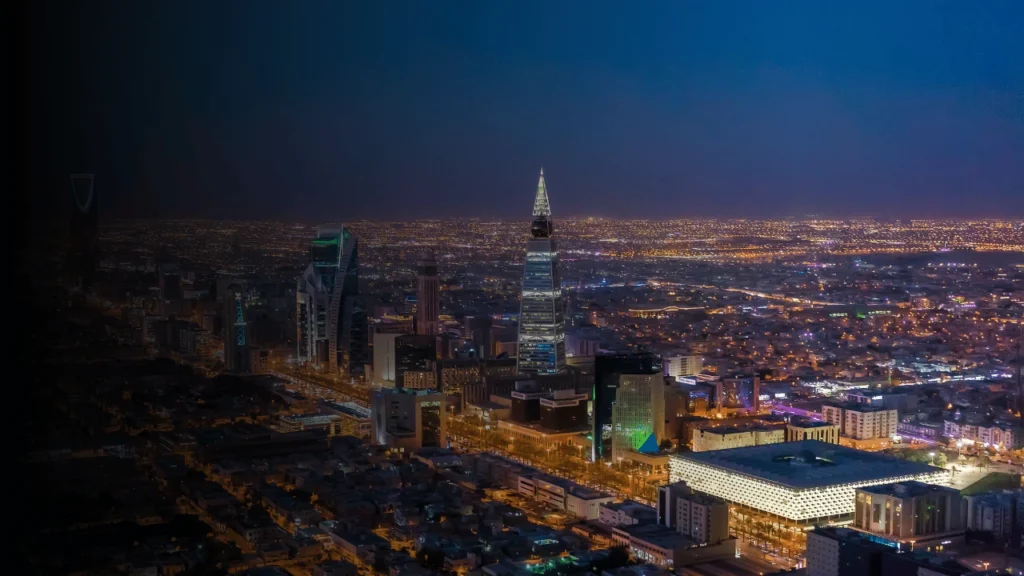
The lowest-ranked places in the 2026 index include Afghanistan, Chechnya, Saudi Arabia, Iran and Yemen, where same-sex relations are criminalised and can carry the death penalty. Chechnya is a republic within the Russian Federation rather than a sovereign state, and is listed separately because conditions there are substantially worse than in Russia as a whole.
Other destinations where same-sex relations remain criminalised, or where LGBTQ+ travellers face substantial legal and social risk, include Nigeria, Uganda, Somalia, Sudan, Qatar, the United Arab Emirates, Malaysia, Morocco, Jamaica, Tanzania, Malawi, Gambia, Pakistan, Libya and Mauritania. Russia is not a criminalising state in the same sense, but its “international LGBT movement” designation and propaganda laws create real risk.
Egypt is a case worth understanding precisely: same-sex conduct is not explicitly criminalised, but prosecutions are routinely brought under debauchery and public morality laws, so the practical risk is comparable.
A correction to earlier versions of this guide: Barbados is no longer among the highest-risk destinations. Its High Court struck down the colonial-era buggery and indecency laws in December 2022, following Antigua and Barbuda and Saint Kitts and Nevis the same year.
Why rankings are only a starting point
- National law and local reality differ. A country can have marriage equality and still have regions where visible same-sex couples attract hostility. The reverse also happens: major cities in less progressive countries often have established, discreet LGBTQ+ scenes.
- Legal protection is not the same as social acceptance. The index measures both, but a strong overall score can mask weakness in one area.
- Trans and nonbinary travellers face distinct issues that orientation-focused rankings under-weight — documents that do not match appearance, airport screening, and access to healthcare or medication while abroad.
- Conditions change quickly, sometimes within a single legislative session, as Trinidad and Tobago and Burkina Faso both demonstrate.
Practical safety steps before and during a trip
- Check your own government’s travel advice for the destination; several foreign ministries publish LGBTQ+-specific guidance.
- Look up the current legal position rather than relying on an article’s publication date — including this one.
- Consider what is on your phone. Dating apps, photos and messages have been used as evidence in some jurisdictions, and devices are searched at some borders.
- If you are trans, check whether your travel documents, booking name and appearance are consistent enough for screening, and carry prescriptions in original packaging with documentation.
- Identify the nearest embassy or consulate and a local LGBTQ+ organisation before you arrive.
- Book accommodation with recognised non-discrimination policies where possible.
Frequently asked questions
What is the safest country for LGBTQ+ travellers?
Iceland, according to the 2026 Spartacus Gay Travel Index, which scored it highest of 217 countries and territories assessed. Malta and Spain follow in joint second place, with Belgium, Canada, Germany and Portugal joint fourth.
How many countries criminalise same-sex relations?
ILGA World records 63 countries criminalising consensual same-sex relations, with two more doing so in practice; some trackers put the total at 66. The figure has risen recently for the first time in almost a decade, following new laws in Burkina Faso and Niger and a court reversal in Trinidad and Tobago.
Is Thailand safe for LGBTQ+ travellers?
Thailand legalised same-sex marriage in January 2025, the first country in Southeast Asia to do so, and is generally regarded as the most welcoming destination in the region. As always, acceptance is strongest in major cities and tourist areas.
Which countries should LGBTQ+ travellers avoid?
Destinations where same-sex relations carry the death penalty or lengthy imprisonment present the most serious risk — Afghanistan, Iran, Saudi Arabia, Yemen and Somalia among them, along with Chechnya within Russia. Many other countries criminalise without capital penalties. Check current legal status and your government’s advisories before booking.
Are LGBTQ+ travel rankings reliable?
They are a useful starting point, not a guarantee. Indexes measure national law and reported conditions, which can differ sharply from the experience in a particular city or region, and they cannot keep pace with rapid legal change. Use them alongside current government advisories and local community sources.
Explore your identity
- Free LGBTQ+ test — orientation and gender identity in one private self-reflection tool.
- LGBTQ+ identities explained — terms, meanings and a full glossary.
- Kinsey scale test · Asexuality spectrum test
- Coming out readiness test
Sources
- Spartacus Gay Travel Index 2026 — rankings, scores and year-on-year movement across 217 countries and territories.
- ILGA World — global data and maps on laws affecting LGBTI people.
- Human Rights Watch — Barbados High Court decriminalisation, December 2022.
- US Library of Congress Global Legal Monitor — Thailand marriage equality law.
- ACLU — know your rights, LGBTQ rights in the United States.
Laws and conditions affecting LGBTQ+ travellers change frequently and sometimes without warning. This guide reflects the 2026 Spartacus Gay Travel Index and legal positions recorded at the time of writing; always confirm the current situation with your government’s travel advisory before booking.
Related Reading
See All Posts →You may also like
See All Quiz →