
20 Best Books About Suicide: Understanding, Grief, and Hope

Books about suicide fall into four distinct groups: memoirs by people who have lived through suicidal depression, clinical and sociological work that explains why suicide happens, guides written for people grieving a suicide loss, and fiction that portrays the experience from the inside. This list covers 20 of them, grouped by what you are looking for, with a note on who each book will help most.
If you need help right now
Crisis support is free and available 24 hours a day.
- United States and Canada: call or text 988 to reach the 988 Suicide & Crisis Lifeline.
- United Kingdom and Ireland: call 116 123 to reach Samaritans, free from any phone.
- Australia: call 13 11 14 to reach Lifeline.
- Everywhere else: find a verified local helpline at findahelpline.com.
- If someone is in immediate danger, call your local emergency number.
Books are a supplement to care, not a substitute for it. If thoughts of suicide are frequent, intense, or involve a plan, talk to a clinician as well as reading.
Passive and active suicidal thoughts are not the same thing
Many people at some point wish they could disappear or not wake up, with no intention of acting on it. Clinicians call this passive suicidal ideation. Active suicidal ideation means thinking about ending your life with intent, often with a plan or a timeframe attached. The distinction matters for what kind of reading is useful: memoirs and philosophy can be steadying company for passive ideation, while active ideation needs clinical support first and reading second.
If you are unsure where you sit, our free suicidal ideation screening test and PHQ-9 depression test are a starting point for a conversation with a professional, not a diagnosis.
How we chose these books
Every title below is in print and widely available, and each was selected against four criteria: it is written by someone with lived or clinical expertise; it treats the subject without sensationalising it or describing methods, in line with established safe-messaging guidance; it serves a clearly identifiable reader, whether that is someone struggling, someone grieving, or someone caring for another; and it has held up since publication. The list deliberately spans memoir, sociology, clinical guidance, philosophy and fiction, because no single genre answers every question people bring to this subject.
Books for Understanding Personal Struggles
Dealing with personal issues can feel lonely, but these books show that others have faced similar challenges. They offer hope and a sense of connection.
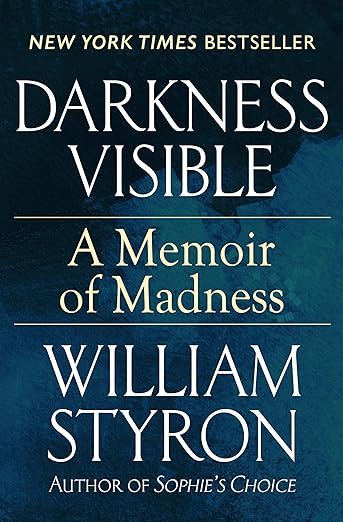
Darkness Visible: A Memoir of Madness, by William Styron
In this powerful memoir, Styron shares his descent into depression, providing a vivid and profound insight into the mind of someone battling with severe mental health issues. His narrative offers hope and understanding, showing that recovery is possible, even from the depths of despair.
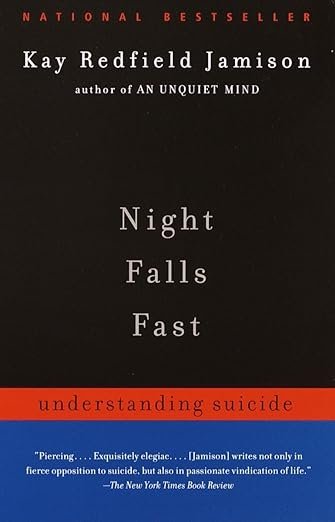
Night Falls Fast: Understanding Suicide, by Kay Redfield Jamison
Jamison, both a psychologist and a person who has experienced manic depression, explores the subject of suicide with depth and compassion. Her book combines personal experience, clinical research, and historical analysis to shed light on this complex issue.
Books for Overcoming Loneliness
Feeling lonely can make it challenging to connect with others. These books remind you that you’re not the only one feeling this way and are not alone.
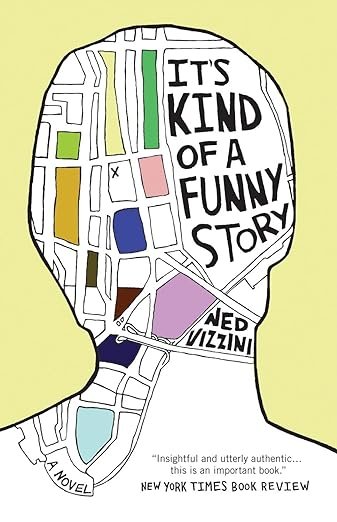
It’s Kind of a Funny Story, by Ned Vizzini
This novel, inspired by Vizzini’s own brief hospitalization for depression, follows a teenager’s journey through mental illness and the discovery that finding allies in the most unexpected places can make all the difference.

All the Bright Places, by Jennifer Niven
A poignant novel that explores the lives of two teenagers who meet on the ledge of the school bell tower, both contemplating suicide. Their story addresses the impact of mental health on young love and the beauty found in unlikely companionships.
Books for Teenagers Dealing with Mental Health and Suicide
Coping with the loss from suicide is challenging, particularly for teens who are already navigating numerous changes. Books that delve into teen experiences with suicide, depression, and suicidal ideation can provide comfort and a sense of understanding, making them feel less isolated during these difficult periods.
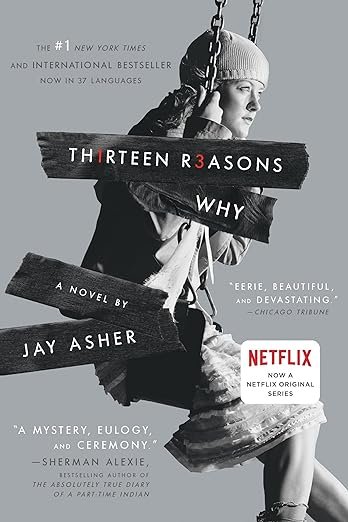
Thirteen Reasons Why, by Jay Asher
This novel takes readers through the tapes left behind by a high school student, Hannah Baker, for her peers to understand the reasons behind her decision to end her life. It’s a gripping narrative that encourages reflection on the effects of our actions on others.
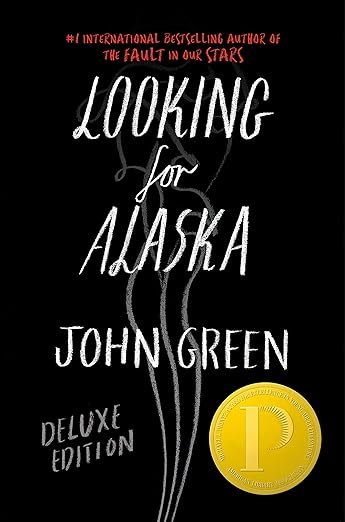
Looking for Alaska, by John Green
Green’s novel delves into the lives of boarding school students, focusing on themes of belonging, loss, and the search for meaning. It’s a story that resonates with young adults navigating the complexities of friendship, love, and grief.
Books for Grieving and Healing
Grieving a loss, especially from suicide, is a profound journey that can feel overwhelming. This section addresses the grieving process and the path toward healing can offer solace and guidance, helping those affected find a way forward through their pain.
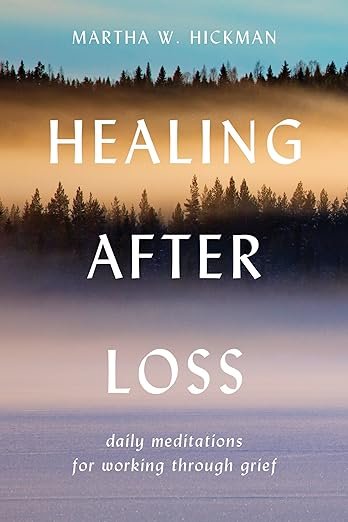
Healing After Loss: Daily Meditations For Working Through Grief, by Martha Whitmore Hickman
This book offers daily meditations for those who are mourning, providing comfort and encouragement for each day’s challenges and reflections on loss and recovery.
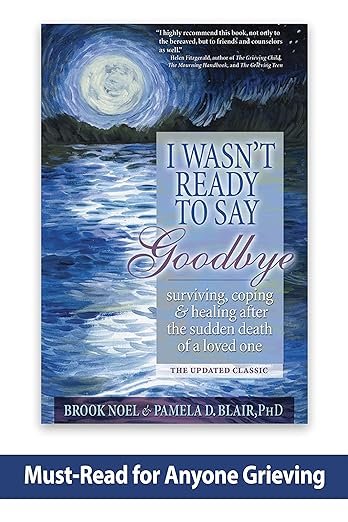
I Wasn’t Ready to Say Goodbye: Surviving, Coping and Healing After the Sudden Death of a Loved One, by Brook Noel and Pamela D. Blair, PhD
This guide offers solace and practical advice to individuals dealing with the sudden death of a loved one, addressing the unique challenges of sudden loss.
Books for Understanding the Impact of Suicide
This section features books that delve into the profound effects suicide has on individuals and communities. By exploring these narratives, readers can gain a deeper comprehension of the far-reaching consequences of suicide and the importance of compassionate support and awareness.

Suicide: A Study in Sociology, by Émile Durkheim
Durkheim’s classic sociological study provides a foundational understanding of the social factors that contribute to suicide, offering insights that remain relevant in today’s discussions on the subject.
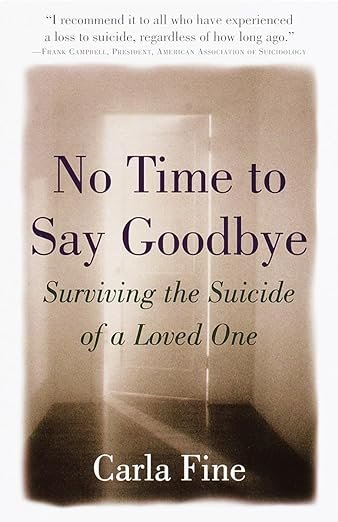
No Time to Say Goodbye: Surviving The Suicide Of A Loved One, by Carla Fine
Fine’s book combines personal narratives with practical advice, offering support and understanding to those left behind after a suicide, addressing the complex emotions and questions that arise.
Books for Professionals and Caregivers
This collection offers professionals and caregivers valuable perspectives on the thought processes of individuals at risk for suicide and practical advice for supporting families dealing with such losses. Through these resources, caregivers can enhance their understanding and approach to providing effective and empathetic assistance.
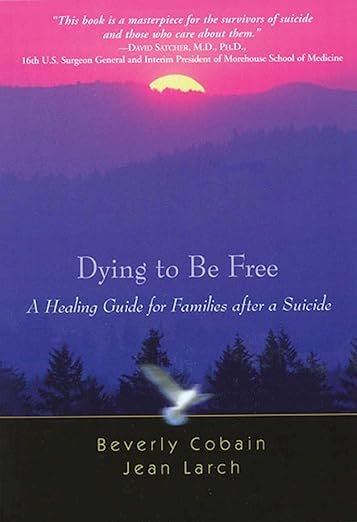
Dying to Be Free: A Healing Guide for Families After a Suicide, by Beverly Cobain and Jean Larch
Written by a cousin of Kurt Cobain and a crisis intervention specialist, this book provides insights into the minds of suicide victims and offers guidance for families coping with this type of loss.
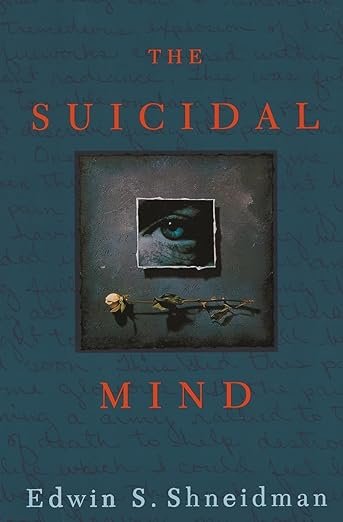
The Suicidal Mind, by Edwin S. Shneidman
Shneidman, a pioneer in suicide prevention, offers a profound exploration of the psychological aspects of suicide, providing valuable insights for therapists, counselors, and anyone trying to understand the suicidal mind.
Books Offering Diverse Perspectives on Suicide
This selection presents a variety of viewpoints on suicide, from personal narratives to cultural studies. By exploring these diverse perspectives, readers can broaden their understanding of the complexities surrounding suicide and the multiple factors that influence it.
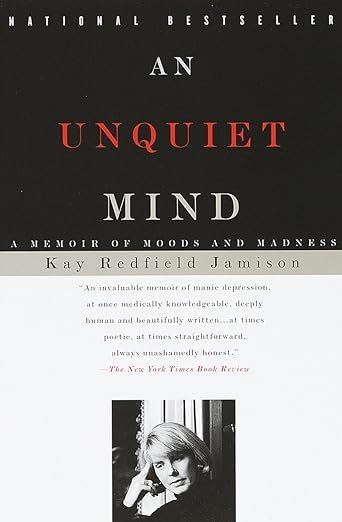
An Unquiet Mind: A Memoir of Moods and Madness, by Kay Redfield Jamison
This memoir by a leading researcher in mood disorders, who herself has bipolar disorder, provides an insightful look into the world of mental health, blending personal narrative with professional observations.
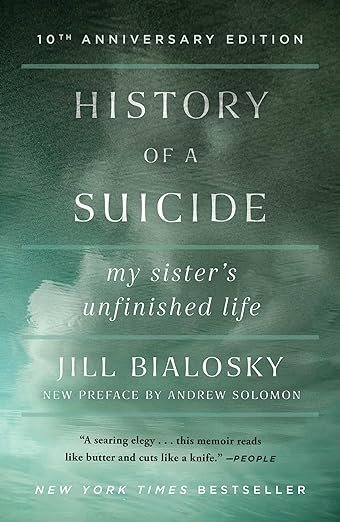
History of a Suicide: My Sister’s Unfinished Life, by Jill Bialosky
Bialosky combines memoir, literature, and psychology to explore the devastating impact her sister’s suicide had on her family, offering a poignant look at grief, love, and loss.
Novels Addressing Suicide and Its Aftermath
These novels dive right into the profound effects of suicide and how it touches the lives of those who remain. They bring stories to life, giving us a closer look at the emotional and psychological journeys that follow, helping readers connect and understand the complexities of suicide from a more personal perspective.
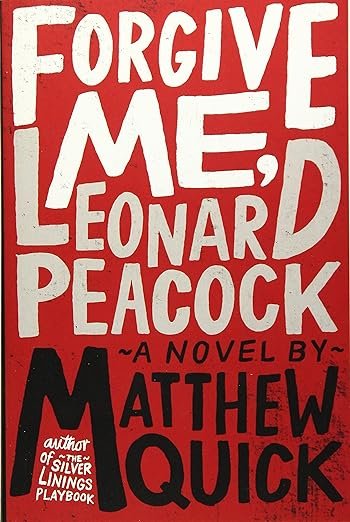
Forgive Me, Leonard Peacock, by Matthew Quick
This novel follows a day in the life of Leonard Peacock as he says goodbye to the four people who matter most to him, revealing his plans to commit suicide and the events that lead up to it.
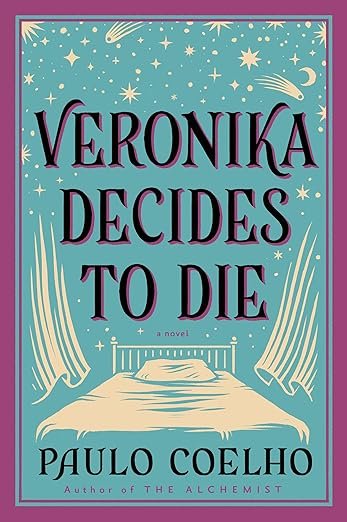
Veronika Decides to Die, by Paulo Coelho
Coelho’s novel tells the story of Veronika, a young woman who, after a failed suicide attempt, discovers a new perspective on life during her stay in a mental hospital.
Books for Finding Hope and Resilience
These books share stories and ideas about overcoming tough times and finding strength within. They inspire hope and show that, no matter what, you can get through difficult moments and come out stronger.
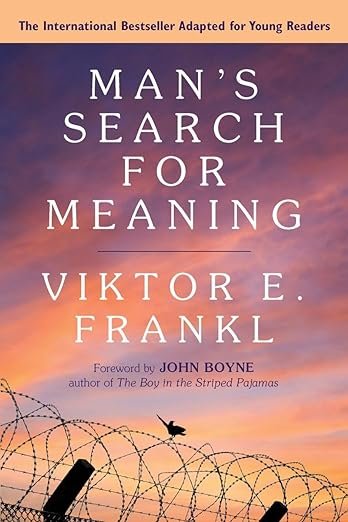
Man’s Search for Meaning, by Viktor E. Frankl
Frankl’s memoir of his time in Nazi death camps, combined with his psychotherapeutic method of finding purpose through suffering, offers profound insights into finding reasons to live even in the darkest times.
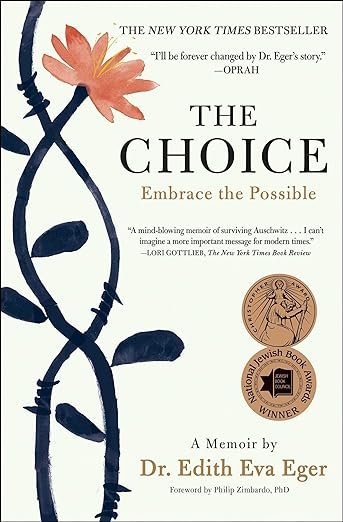
The Choice: Embrace the Possible, by Dr. Edith Eva Eger
A memoir by a Holocaust survivor and therapist, this book explores the power of choice in overcoming trauma and finding freedom from the past.
Books on Philosophical and Ethical Perspectives
These thought-provoking books dive into deep thoughts about life, challenges, and decisions. They get you thinking about the bigger picture and offer new perspectives on challenging issues, encouraging a deeper understanding of ourselves and the world around us.

The Myth of Sisyphus, by Albert Camus
In this philosophical essay, Camus uses the story of Sisyphus to explore the absurdity of life and the idea that the struggle itself toward the heights is enough to fill a man’s heart, offering a different perspective on the value of life.
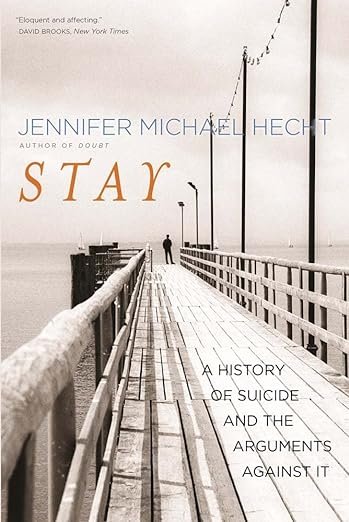
Stay: A History of Suicide and the Philosophies Against It, by Jennifer Michael Hecht
Hecht argues against suicide from historical and philosophical perspectives, advocating for life in the face of despair and challenging the reader to reconsider the societal impact of suicide.
Which book should you start with?
If you are living with suicidal depression yourself, start with a memoir rather than an explanation — recognition usually helps before analysis does. If you have lost someone to suicide, start with a book written specifically for suicide-loss survivors, because the guilt and unanswered questions that follow a suicide are different from other bereavement. If you are supporting someone else, the caregiver and clinical titles are the practical ones. And if you want to understand suicide as a phenomenon rather than an experience, the sociological and clinical works are the anchors of this list.
Reading will not resolve a crisis, and it is not meant to. What these books do well is make the experience less isolating and easier to put words to, which is often what makes the next conversation — with a clinician, a friend, or a helpline — possible.
Frequently asked questions
What is the best book about suicide?
There is no single best book, because readers arrive with different needs. Darkness Visible by William Styron is the most widely recommended first-person account of suicidal depression. Night Falls Fast by Kay Redfield Jamison is the most cited general treatment, combining clinical research with narrative. No Time to Say Goodbye by Carla Fine is the standard recommendation for people bereaved by suicide.
Can reading about suicide be harmful?
It can be, depending on timing and on how the material is handled. Research on suicide contagion — often called the Werther effect — indicates that detailed depiction of method and means can increase risk among vulnerable readers, which is why safe-messaging guidelines discourage it. Fiction that dramatises suicide has been criticised on these grounds, Thirteen Reasons Why being the most debated example. If you are in acute crisis, contact a clinician or a helpline first and read later.
What should I read after losing someone to suicide?
Choose a book written specifically for suicide-loss survivors rather than a general grief book. Suicide bereavement carries guilt, stigma and unanswerable questions that general grief literature tends not to address. On this list, No Time to Say Goodbye, I Wasn’t Ready to Say Goodbye and Dying to Be Free are written for that reader.
Are there books about suicide suitable for teenagers?
Yes, and this list includes young-adult titles written for that age group. Because adolescents are more susceptible to contagion effects than adults, these are best read alongside a parent, counsellor or teacher who can talk through the material, rather than handed over without context.
Do books actually help with suicidal thoughts?
They help with isolation, vocabulary and understanding — not with acute risk. Reading someone describe an experience you assumed was yours alone reduces the sense of being uniquely broken, and gives you language to describe it to someone else. That is a meaningful benefit, but it sits alongside treatment rather than replacing it.
What is the difference between passive and active suicidal ideation?
Passive suicidal ideation is wishing to be dead, to disappear, or not to wake up, without intent to act. Active suicidal ideation involves intent, and frequently a plan, a method or a timeframe. Active ideation is a medical urgency and warrants immediate contact with a clinician or crisis line.
Related reading and screening tools
- Free suicidal ideation screening test — a short, private self-check.
- Free clinical depression test (PHQ-9) — the standard depression screening questionnaire.
- What is anhedonia? — on losing the capacity to feel pleasure, a common feature of severe depression.
- Anhedonia: a closer look at the types — how it presents and what it affects.
- More articles on mental health from the PsyMed blog.
If you or someone you know is having thoughts of suicide, please reach out. In the US and Canada, call or text 988. In the UK and Ireland, call 116 123. In Australia, call 13 11 14. Elsewhere, find a helpline at findahelpline.com, or call your local emergency number if there is immediate danger.
Related Reading
See All Posts →
You may also like
See All Quiz →
Dissociation and Psychosis
Free Depersonalization Disorder Test (DPDR) – Do I Have Depersonalization-Derealization Disorder?
→